
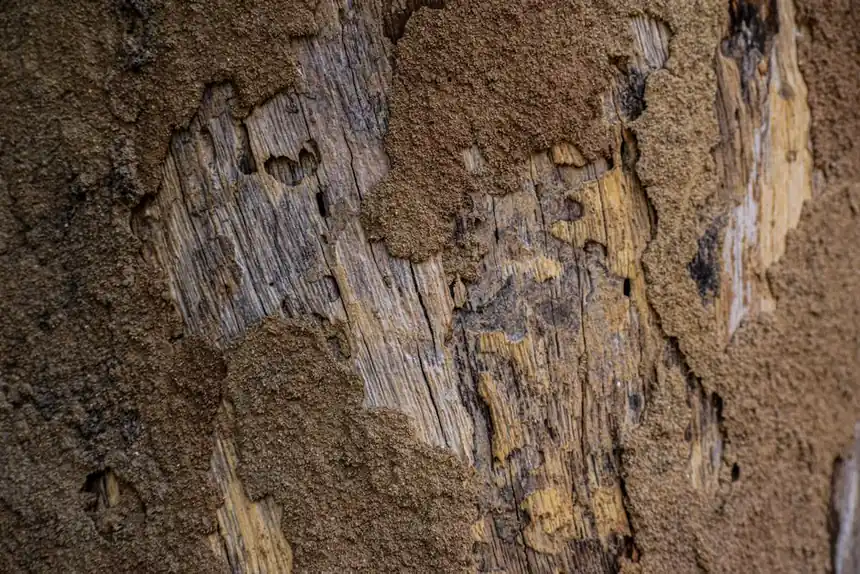
Termites can silently wreak havoc on your home, leading to costly repairs and structural damage. Understanding the signs of termite damage is crucial for homeowners in Leawood. This guide will help you identify these signs early and take appropriate action to protect your property.
Understanding Termites
Termites are small insects that feed on wood, paper, and other cellulose materials. They live in colonies and can cause significant damage to homes if left unchecked. In Leawood, where many homes feature wooden structures, being aware of termite activity is essential.
Common Signs of Termite Damage
Identifying termite damage early can save you from extensive repairs. Here are some common signs to look for:
- Mud tubes: Termites create mud tubes to travel between their colony and food sources.
- Wood damage: Hollow-sounding wood or wood that crumbles easily can indicate termite infestation.
- Swarmers: Winged termites, known as swarmers, may appear during mating season.
- Frass: Termite droppings, or frass, look like small pellets and can be found near damaged wood.
Visual Indicators
Visual signs of termite damage are often the most alarming. Homeowners should regularly inspect their properties for:
- Peeling paint: This can indicate moisture buildup, which may attract termites.
- Buckling floors: If your floors appear uneven or buckled, it could be a sign of underlying termite damage.
- Damaged wood: Inspect wooden beams, posts, and furniture for any signs of damage.
Structural Damage
Termites can compromise the structural integrity of your home. Key areas to check include:
- Basements and crawl spaces: These areas are often dark and humid, making them ideal for termites.
- Attics: Inspect the attic for signs of wood damage or droppings.
- Wall interiors: Termites can eat through walls, so check for any signs of damage.
What to Watch Out For
While you may notice some signs of termite damage, there are common mistakes that can lead to overlooking a serious infestation:
- Ignoring minor signs: Even small signs can indicate a larger problem.
- Failing to inspect regularly: Regular inspections can help catch infestations early.
- Not sealing entry points: Seal cracks and openings to prevent termite entry.
When to Call a Professional
If you suspect termite damage, it's crucial to act quickly. Professional termite control in Kansas can assess the situation and implement effective treatment solutions. Kansas Pest Pros specializes in termite inspections and extermination, ensuring your home remains safe from these destructive pests.
Frequently Asked Questions
How can I tell if I have termites? Look for mud tubes, hollow-sounding wood, and droppings. If you notice any of these signs, contact a pest control professional.
What do termites look like? Termites are small, usually about 1/4 to 1/2 inch long, and have straight antennae and a broad waist.
How quickly can termites cause damage? Termites can start causing damage within a few months of infestation, making early detection essential.
Can I treat termite damage myself? While some treatments are available, professional assistance is often more effective for eliminating infestations.
What areas do termites typically infest in a home? Termites often target wooden structures, including beams, flooring, and furniture.